Change Has Become Part of Southwest Airlines’ Story
For decades, Southwest Airlines built its reputation around simplicity.
A single aircraft family.
Point-to-point scheduling.
Straightforward fares.
A recognizable boarding process.
That formula helped transform Southwest from a regional carrier into one of the largest domestic airlines in the United States.
Today, however, the airline is entering a different phase.
Rather than relying solely on the strategies that fueled its early growth, Southwest is investing in new technologies, operational improvements, digital services, and passenger experience enhancements that reflect changing traveler expectations.
The result is an airline that continues to evolve while maintaining many of the characteristics that made it successful.
A Network Designed Around Convenience
Unlike traditional hub-and-spoke airlines, Southwest has historically relied on a point-to-point operating model.
This approach allows aircraft to spend less time on the ground while providing travelers with numerous nonstop routes between cities that might otherwise require connections.
Major airports such as Dallas Love Field, Denver, Chicago Midway, Baltimore/Washington, Phoenix, Las Vegas, Nashville, and Orlando continue serving as important centers within the airline’s expanding domestic network.
Rather than concentrating operations through one dominant hub, Southwest distributes flights across multiple strategic locations, giving travelers greater flexibility throughout the United States.
Digital Travel Begins Before Boarding
Passenger expectations have changed dramatically over the past decade.
Today’s travelers expect to manage reservations, review baggage allowances, receive departure notifications, check in online, and access boarding passes directly from their mobile devices.
Southwest Airlines continues expanding its digital platforms so eligible travelers can complete many of these tasks before arriving at the airport.
The airline’s mobile application provides access to reservations, boarding information, flight status updates, and travel notifications that help passengers stay informed throughout every stage of the journey.
While digital self-service continues improving, certain itinerary changes, special travel requests, or more complex reservations may still require Southwest Airlines customer service for personalized assistance.
Rapid Rewards® Continues to Evolve
Southwest’s Rapid Rewards® program remains one of the airline’s defining features.
Instead of relying on traditional mileage calculations, the program allows members to earn points tied primarily to eligible travel spending while providing flexible redemption opportunities across Southwest’s network.
The program also supports benefits that become increasingly valuable for frequent travelers.
By integrating Rapid Rewards into booking and trip management, Southwest allows members to manage travel and loyalty through one connected experience.
Fleet Modernization Supports Future Growth
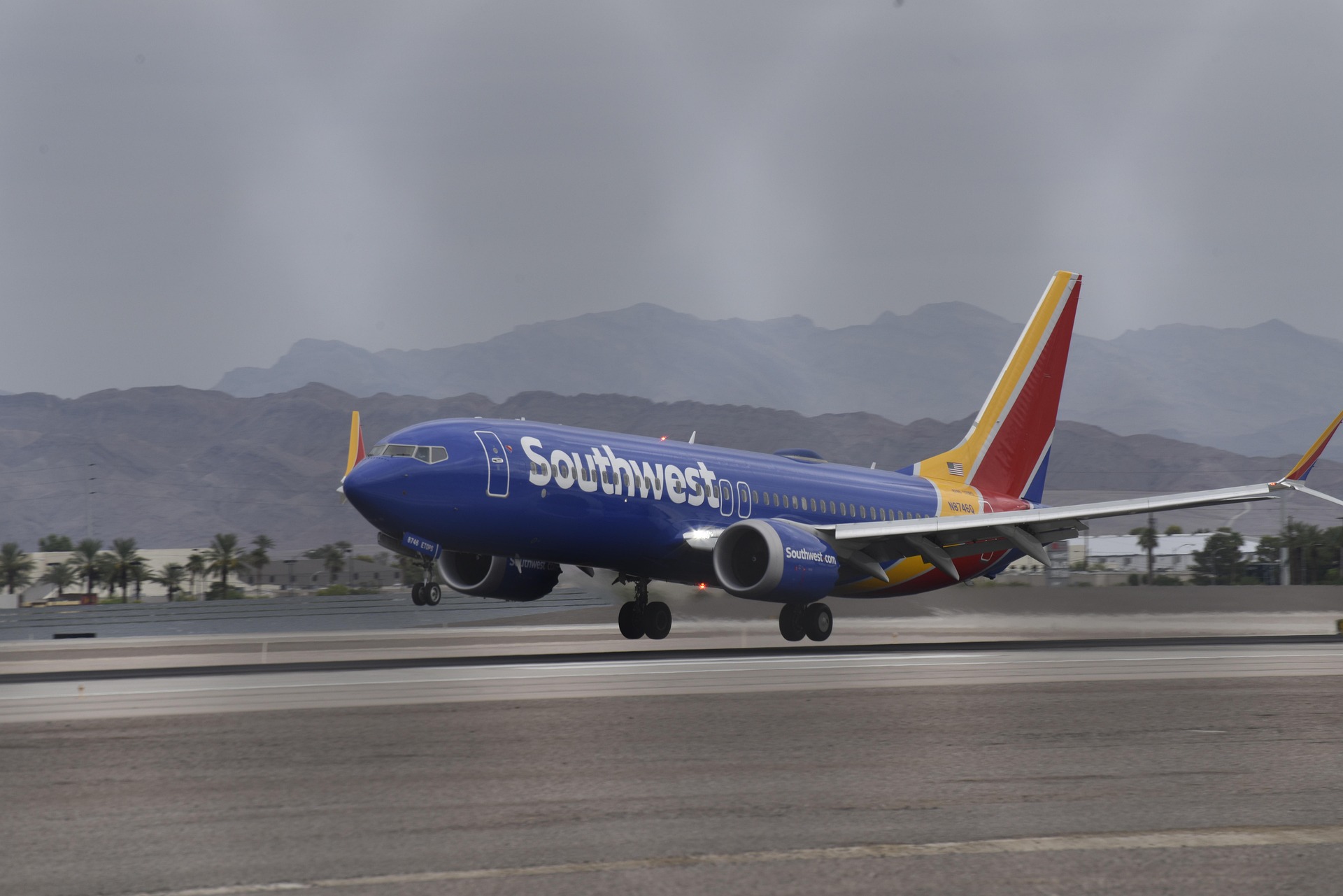
Southwest’s operational model has long been built around the Boeing 737 family.
Maintaining a largely common fleet simplifies pilot training, maintenance planning, crew scheduling, and aircraft utilization across the network.
The airline continues modernizing its fleet with newer Boeing 737 MAX aircraft that provide improved fuel efficiency, updated cabin interiors, quieter operations, and enhanced onboard technology.
Passengers benefit from more comfortable cabins while the airline gains additional flexibility to support future expansion.
A New Chapter for the Passenger Experience
Southwest has traditionally differentiated itself through policies and operational simplicity rather than premium cabins.
Recent strategic initiatives, however, indicate that the airline is continuing to evaluate how travelers want to fly in today’s market.
Investments in digital technology, operational reliability, cabin improvements, and customer-focused enhancements reflect an airline adapting to evolving passenger expectations while preserving its unique identity.
Rather than abandoning its history, Southwest appears focused on building upon it.
Reliable Communication Matters More Than Ever
Unexpected weather, airport congestion, and operational disruptions remain part of commercial aviation.
Providing timely information allows travelers to make better decisions before and during their journey.
Southwest continues improving digital notifications covering departures, gate information, itinerary updates, and boarding details.
When travelers need more information regarding baggage policies, reservations, travel documents, or airport procedures, many begin by exploring the Southwest Airlines help center, where answers to frequently requested travel topics are available before seeking personalized assistance.
More Than Transportation
For many travelers, choosing an airline now involves much more than comparing fares.
Convenience.
Digital flexibility.
Reliable information.
Operational consistency.
Simple trip management.
Southwest continues investing across these areas as it prepares for the next generation of domestic air travel.
Assigned Seating Marks One of Southwest’s Biggest Changes
For decades, Southwest Airlines was widely recognized for its open seating model, making boarding one of the airline’s most distinctive characteristics.
As passenger expectations continue evolving, Southwest has announced plans to introduce assigned seating across its network, representing one of the most significant operational changes in the company’s history.
The move is designed to provide travelers with greater flexibility when selecting where they sit while aligning the booking experience with changing customer preferences.
Although the airline’s boarding process is evolving, Southwest continues emphasizing the operational efficiency that has long been part of its identity.
Premium Seating Options Expand Passenger Choice
Alongside assigned seating, Southwest is introducing premium seating options that give travelers additional choices based on comfort and personal preference.
Rather than creating a traditional multi-cabin airline, these enhancements are intended to provide more flexibility while maintaining Southwest’s straightforward approach to travel.
Passengers who value additional legroom or preferred seating locations will have more options available, while travelers seeking the airline’s traditional value proposition can continue choosing standard seating products.
These changes reflect Southwest’s strategy of modernizing the passenger experience without fundamentally changing its brand.
The Boeing 737 Continues to Power the Network
Southwest remains one of the world’s largest operators of the Boeing 737.
The continued arrival of newer Boeing 737 MAX aircraft supports the airline’s long-term strategy by improving fuel efficiency, reducing operating costs, and enhancing passenger comfort.
Updated cabin interiors, larger overhead bins, quieter engines, and modern technology contribute to a more comfortable experience across both short and medium-haul routes.
Operating a largely standardized fleet also allows Southwest to maintain simplified maintenance procedures, pilot training, and aircraft scheduling throughout its extensive network.
Technology Supports Every Departure
Although passengers primarily interact with the mobile app and website, much of Southwest’s technology operates behind the scenes.
Every day, digital systems coordinate aircraft rotations, crew scheduling, maintenance planning, airport resources, weather monitoring, and network operations across thousands of flights.
These operational tools help improve decision-making while supporting more reliable schedules throughout the airline’s network.
Passengers experience these investments through improved reservation management, timely travel notifications, and better visibility into itinerary updates.
When travel situations extend beyond digital self-service, official Southwest Airlines support remains available for itinerary-specific guidance, accessibility services, and reservation assistance.
Sustainability Remains Part of Long-Term Planning
Like much of the aviation industry, Southwest continues investing in initiatives designed to improve operational efficiency while reducing environmental impact.
Fleet modernization, more fuel-efficient aircraft, optimized flight operations, and sustainability initiatives all contribute to the airline’s long-term strategy.
The introduction of newer Boeing 737 MAX aircraft supports these objectives by lowering fuel consumption while providing passengers with quieter and more modern cabins.
Although sustainability remains an ongoing challenge across commercial aviation, these investments position Southwest for future growth.
Small Improvements Make Every Trip Easier
Travelers often remember how smoothly a trip unfolded rather than a single feature.
Checking in from a mobile device.
Receiving a boarding update before reaching the airport.
Managing a reservation while traveling.
Tracking itinerary changes throughout the day.
Viewing Rapid Rewards® activity after completing a trip.
Each improvement saves only a few minutes.
Together, they create a travel experience that feels more organized and predictable from beginning to end.
Southwest continues refining these everyday moments as part of its broader modernization strategy.
Preparing Before Departure
Successful travel usually begins before arriving at the airport.
Passengers should review baggage allowances, identification requirements, reservation details, and departure times before leaving home.
Keeping the Southwest mobile application updated allows eligible travelers to access boarding information, itinerary updates, flight notifications, and reservation management throughout the journey.
Rapid Rewards® members should verify that their account number is linked to each booking so eligible points and travel benefits are correctly credited.
For itinerary-specific questions, accessibility arrangements, special travel requests, or assistance with reservation changes, official Southwest Airlines contact options remain available through the airline’s website and mobile application.
Looking Toward the Future
Southwest Airlines is entering one of the most significant periods of transformation in its history.
The introduction of assigned seating, expanded seating choices, fleet modernization, digital innovation, and continued investment in operational reliability demonstrate an airline adapting to the expectations of today’s travelers while preserving the efficiency that has defined its business for more than five decades.
As the U.S. aviation market continues evolving, Southwest remains focused on delivering a travel experience built around flexibility, simplicity, and dependable service—ensuring the airline continues to play a major role in domestic and near-international travel for years to come.